When wisdom teeth start coming nobody tells you what to expect. You just wake up one day and something feels wrong at back of your jaw. Not exactly pain. More like pressure, like something pushing from inside that you cannot see or touch properly. You move your tongue there, wait couple days, still same feeling. That is it. That dull pressure sitting behind your last molar, that is the first signal your wisdom teeth are beginning to move.
Wisdom teeth, dentists call them third molars, are last permanent teeth that come in your mouth. They grow at very back, two on top two on bottom. Usually this happens between 17 to 25 years but some people get them earlier or later. Some people they never get any at all. But for those whose wisdom teeth are coming, there are signs that appear even before X-ray can show anything clearly. Learning these signs, it can save you from a lot of unnecessary pain later.
That Sore Spot Behind Your Back Teeth Is Not Nothing
Gum tenderness is probably the sign that most people dismiss first. It does not feel like toothache from cavity. It does not feel like something broke. The gum at back just feel irritated, like you bumped it on something hard but you cannot remember doing that. The reason is very simple actually, the tooth is pushing upward through gum tissue and gum tissue is not happy about this.
What many people do is brush harder thinking food particle is stuck back there. That only adds more irritation to already irritated gum. The sore spot is almost always right behind second molar. You press finger on it and difference in sensitivity compared to rest of mouth is very clear. This soreness can come and go for weeks before you can see anything happening.
Red and Puffy Gums That Look Angry for No Clear Reason
Stand in front of mirror, open mouth wide and look far to back. If wisdom tooth is coming, that gum area back there will look redder and puffier than everything else. Sometimes small bleeding happens when brush touches that area. Do not confuse this with gum disease. It is just normal inflammation that happens when tooth is trying to break through tissue.
In some cases you can actually see tiny white dot poking from gum surface. That is crown of tooth starting to appear. How painful this stage is it depends on person to person. Mostly it depends on how much space is available in back of mouth and what angle the tooth is growing.
But one important thing to understand: if swelling is not staying only in that small back area and is spreading to cheek or making it hard to swallow, this is not normal eruption anymore. This points toward infection and needs dentist attention quickly, not few more days of waiting.
Jaw Aches That Feel Deep and Are Hard to Locate
Many people get confused by this sign because the ache is not in tooth exactly, not in gum exactly, but somewhere deeper. It is in the jaw itself. Sometimes it travels toward ear, sometimes toward neck. In mornings especially the whole back part of jaw can feel stiff and tight. Opening mouth fully right after waking up becomes little difficult. This stiffness usually goes after few minutes but comes back next day again.
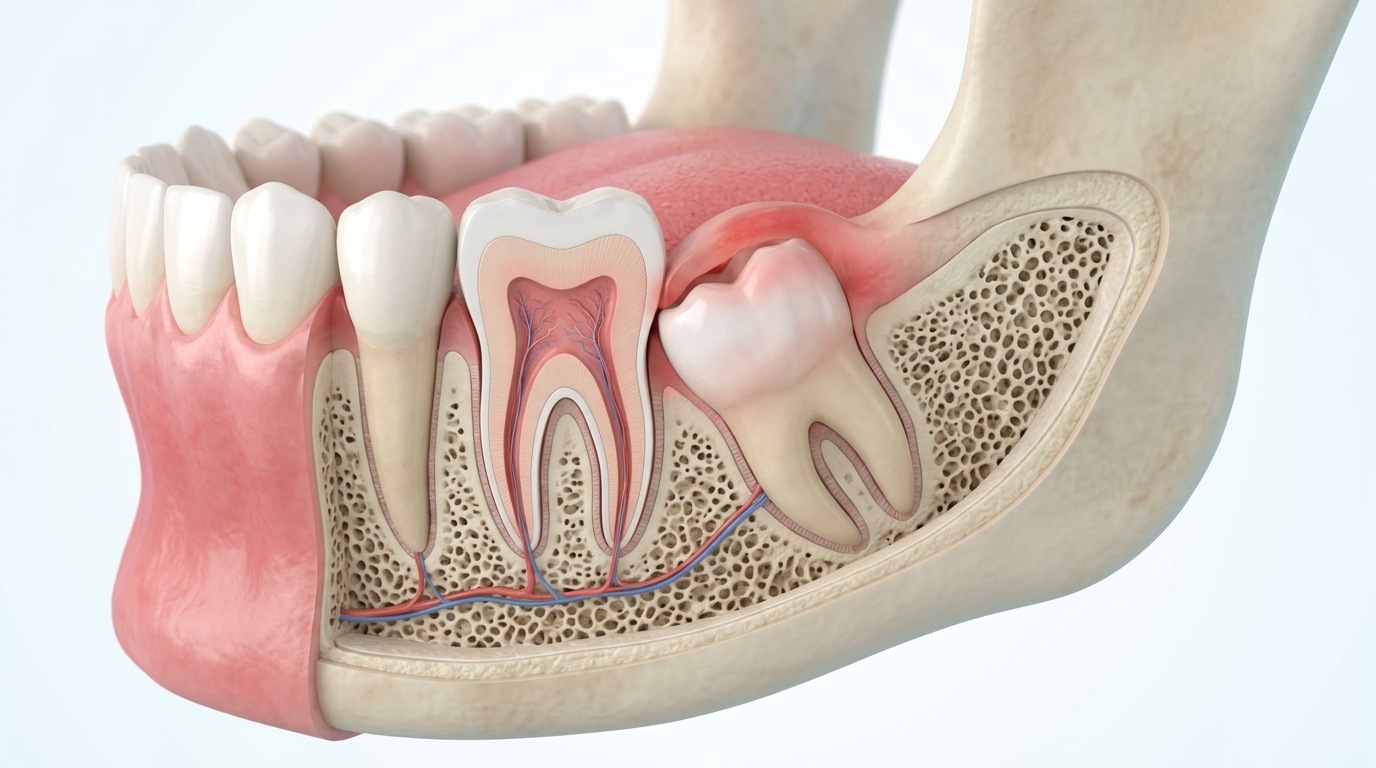
There is another thing that happens when wisdom tooth grows at wrong angle. It can push directly against root of second molar sitting next to it. This creates pain in perfectly healthy tooth. Very confusing situation. People sometimes go and get treatment done on that neighboring tooth thinking it has problem, but real culprit is wisdom tooth pressing from below.
Headaches That Keep Coming Back With No Obvious Cause
This sign surprises people a lot. Not many people think wisdom teeth and headaches are connected but they are. Those back molars sit very close to temporomandibular joint, which is the jaw hinge connecting lower jaw to skull. When pressure keeps building in that area, muscles around jaw and temples get tight. This tightness moves up and creates headache that usually sits on sides of head or behind eyes.
Young people between 17 and 25 who are getting headaches for no reason they can explain, it is worth bringing this up with dentist. Connection between wisdom teeth and headaches is not obvious to most people. But dentists, they see this pattern so many times they recognize it quickly.
Bad Taste in Mouth That Keeps Coming Back No Matter What
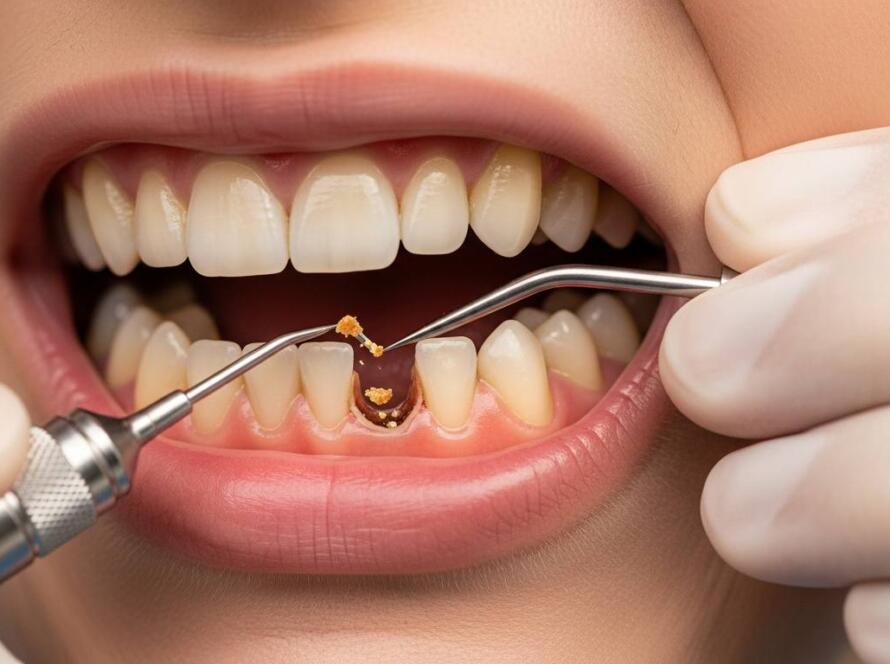
When wisdom tooth comes only halfway through gum, small flap of gum tissue remains covering part of tooth. This flap is problem. Food and bacteria collect underneath it very easily and because this spot is so far back, toothbrush and floss do not reach there properly. Bacteria that grow under this flap cause bad taste in mouth that does not go away even with good brushing routine.
Dentists have name for this when infection develops there, they call it pericoronitis. Mild version gives bad taste, some soreness, little swelling. Worse version makes swallowing painful, stiffens jaw further, sometimes brings low fever with it. Biggest problem is this keeps coming back again and again because that partially erupted tooth keeps creating same conditions, until proper treatment is done.
When Neighboring Teeth Start Feeling the Pressure
Mouth already has full set of teeth. When new tooth tries to push into back area, space must come from somewhere. Second molar, the one sitting directly in front of wisdom tooth, often starts feeling sore or sensitive for no reason. Some people notice their bite feels slightly different, like teeth are not meeting each other in same way as before.
For people who had braces, this sign is especially frustrating. Wisdom tooth pushing from behind can undo straightening work that took years. This is why orthodontists keep eye on wisdom tooth growth in their patients. If teeth that were straight for long time suddenly look like they are crowding, wisdom teeth are very often the reason behind it.
Not Every Wisdom Tooth Becomes a Problem
People assume wisdom teeth always cause trouble. This is not true. Some people have enough space in their jaw for all four wisdom teeth to come in properly. When this happens teeth grow straight, fit alongside existing molars and work fine like any other tooth. No removal needed, no complications, no drama at all.
Problem begins only when space is not enough. Impacted wisdom tooth, meaning one that is blocked from growing out clean, can grow sideways into neighboring tooth, stay trapped under bone or break through gum only partially. Each of these situations has its own risks. Horizontal impaction where tooth is lying completely sideways and pushing against roots of next molar, this is most serious type. Vertical impaction where tooth is in correct position but just stuck, this is milder and sometimes resolves without any treatment.
Ignoring These Signs Has Real Consequences
Waiting and hoping discomfort will pass on its own is something most people do. Dental appointments are not enjoyable and it is easy to delay them. Sometimes discomfort does pass by itself especially if wisdom tooth has room to come out properly. But when tooth is truly impacted and has no space to move, waiting does not help. Over time cyst can form around stuck tooth. These cysts slowly destroy surrounding jawbone and damage roots of nearby teeth. When pain becomes impossible to ignore there is usually already much more damage than if it was caught earlier.
Infections from wisdom teeth also should not be taken lightly. Most cases stay in one area and get treated without big complications. But in some situations infection can travel into throat, neck and deeper tissues. This is not common but it happens, and this is why dentists take persistent wisdom tooth pain seriously even when symptoms seem mild.
What Dentist Will Do When You Come With These Symptoms
When you visit dentist with jaw soreness or swelling at back of mouth, first step is usually X-ray. Panoramic X-ray is common choice because it shows all teeth and their positions in one single image. From this dentist can see clearly whether wisdom teeth are coming in clean, growing at angle or fully trapped under bone.
What dentist recommends next depends on what X-ray shows. If wisdom tooth is growing straight with enough space, monitoring over time may be the plan. If it is impacted or damaging nearby teeth, removal is usually recommended. Age also plays role here. Removing wisdom teeth in younger patients, those in late teens and early twenties, heals faster and has fewer complications than doing same procedure later in life when roots are fully formed and bone is denser.
Catching It Early Is Always the Better Choice
All these signs, gum soreness, swelling, jaw aches, headaches without reason, bad taste that will not leave, pressure in neighboring teeth, these are ways your body is telling you something is changing inside. Not all of them mean serious problem is developing. But none of them should be completely ignored either.
People who visit dentist early, take X-ray when dentist suggests, and stay aware of what is happening in jaw, they end up in much better situation than those who wait until pain becomes unbearable. Wisdom teeth have difficult reputation and that reputation is not without reason. But many of the problems people face with them, they are actually preventable when right attention is given at right time.