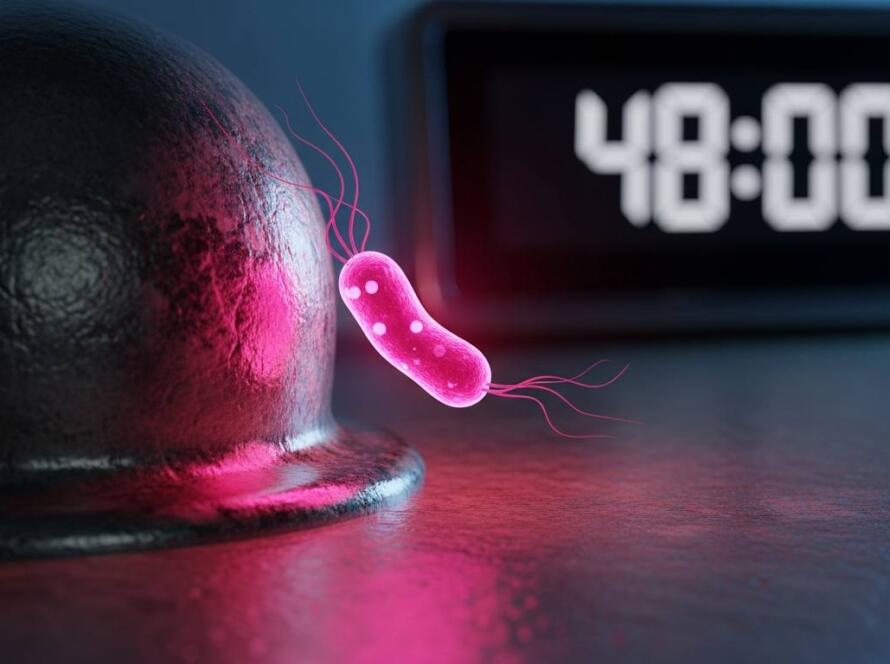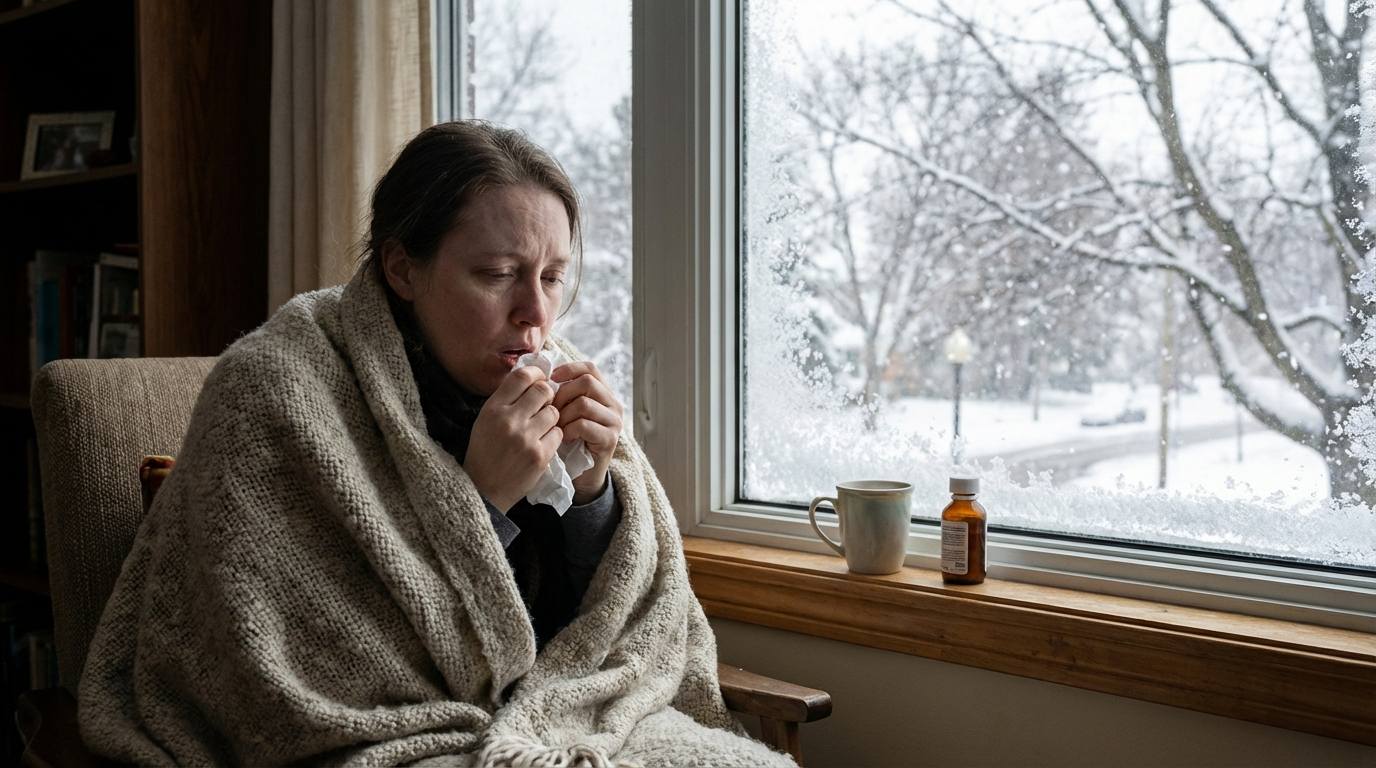
Getting pneumonia in the winter isn’t actually caused by the cold air itself, but rather by the way your body and environment react to the change in season. You primarily get pneumonia in the winter because cold, dry air weakens your respiratory system’s natural defenses, making it easier for bacteria and viruses to take root. Furthermore, because we spend more time indoors in close proximity to others during the winter, contagious germs—like the flu or RSV—spread much faster, often leading to secondary lung infections like pneumonia.
Think of your lungs as a high-security building. In the summer, the “security guards” (the mucus and tiny hairs in your nose and throat) are active and efficient. In the winter, the dry air dries out that protective mucus, essentially putting the guards to sleep and leaving the door wide open for uninvited guests.
The “Perfect Storm”: Why Winter and Pneumonia Go Together
It’s a common myth that standing in a draft or going outside with wet hair causes pneumonia. In reality, pneumonia is an infection—usually bacterial, viral, or fungal—that inflames the air sacs (alveoli) in your lungs. These sacs can fill with fluid or pus, making it hard to breathe.
Here is why this process accelerates when the temperature drops:
1. The Drying Effect of Cold Air
The air in winter is notoriously dry, both outside and inside (thanks to central heating). When you breathe in dry air, it parches the mucous membranes in your respiratory tract. This mucus is your body’s “sticky trap” for germs. When it dries out, viruses like the flu can travel deeper into your lungs without being caught.
2. We Become “Indoor People”
When it’s freezing outside, we huddle together in coffee shops, offices, and living rooms. These spaces are often poorly ventilated. If one person sneezes, the viral droplets circulate more easily in the stagnant air. This is why “flu season” is also “pneumonia season”—pneumonia often starts as a complication of the flu or a common cold.
3. Weakened Immune Surveillance
Research suggests that our immune systems might not be as sharp in the winter. Lower levels of Vitamin D (due to less sunlight) and the physiological stress of staying warm can leave your body’s “army” slightly less prepared to fight off an invading pathogen.
The Two Main Culprits: Viruses vs. Bacteria
Understanding how you get it often depends on what is causing it. In the winter, the infection usually follows one of two paths:
| Type | How You Get It | Common Winter Trigger |
| Viral Pneumonia | Inhaling respiratory droplets from an infected person. | The Flu (Influenza), RSV, or COVID-19. |
| Bacterial Pneumonia | Often develops after a virus has weakened your lungs. | Streptococcus pneumoniae (Pneumococcus). |
A common scenario: You catch a nasty winter cold or the flu. Your immune system is busy fighting that virus, which leaves your lungs vulnerable. A common bacterium that usually lives harmlessly in your throat suddenly sees an opportunity, moves down into your lungs, and triggers bacterial pneumonia.
Who Is Most at Risk?
While anyone can catch pneumonia, certain “vulnerability factors” make the winter months especially dangerous for some:
-
Older Adults (65+): Immune systems naturally weaken with age, and the lungs become less elastic.
-
Young Children: Their immune systems are still “learning” how to fight off these specific winter pathogens.
-
People with Chronic Conditions: If you have asthma, COPD, or diabetes, your lungs are already working overtime.
-
Smokers: Smoking damages the “cilia” (tiny hairs) that are supposed to sweep germs out of your lungs.
Recognizing the Signs: Is it a Cold or Pneumonia?
It can be hard to tell the difference between a heavy winter cold and the start of pneumonia. However, pneumonia usually brings a few “red flags” that a standard cold does not:
-
The “Deep” Cough: A cough that produces thick, green, yellow, or even bloody mucus.
-
Chest Pain: Sharp pain when you take a deep breath or cough.
-
Fever and Chills: Often accompanied by heavy sweating or “the shakes.”
-
Shortness of Breath: Feeling winded even while sitting still or doing light tasks.
-
Confusion: Especially in older adults, a sudden change in mental alertness is a major warning sign.
How to Protect Yourself This Winter
The good news is that pneumonia isn’t an inevitable part of winter. You can significantly lower your risk by taking a few proactive steps:
Get Vaccinated
The flu shot is your first line of defense because the flu is the most common “gateway” to pneumonia. Additionally, there are specific pneumococcal vaccines that protect against the most common types of bacterial pneumonia.
Manage Your Indoor Air
Since dry air is a major culprit, using a humidifier in your bedroom can help keep your respiratory “security guards” (mucus) hydrated and active. Just be sure to clean the humidifier regularly so it doesn’t grow mold!
Practice “Winter Hygiene”
We all know about handwashing, but it’s especially vital after being in public spaces or on public transit during peak germ season. Also, try to avoid touching your face; your eyes, nose, and mouth are the main entry points for those winter viruses.
Support Your System
-
Vitamin D: Talk to your doctor about a supplement since winter sun is often too weak to provide what you need.
-
Stay Hydrated: Drinking water keeps those lung secretions thin and easier to cough up.
-
Dress in Layers: While being cold doesn’t “give” you the virus, extreme cold is a stressor on the body. Stay warm to keep your energy focused on your immune system.
Summary
You get pneumonia in the winter not because of the “cold” itself, but because the winter environment creates a perfect playground for germs. Dry air weakens your defenses, indoor crowding increases exposure, and seasonal viruses like the flu pave the way for deeper lung infections.
By staying hydrated, keeping the air moist, and staying up-to-date on your shots, you can keep your lungs clear until the spring thaw.