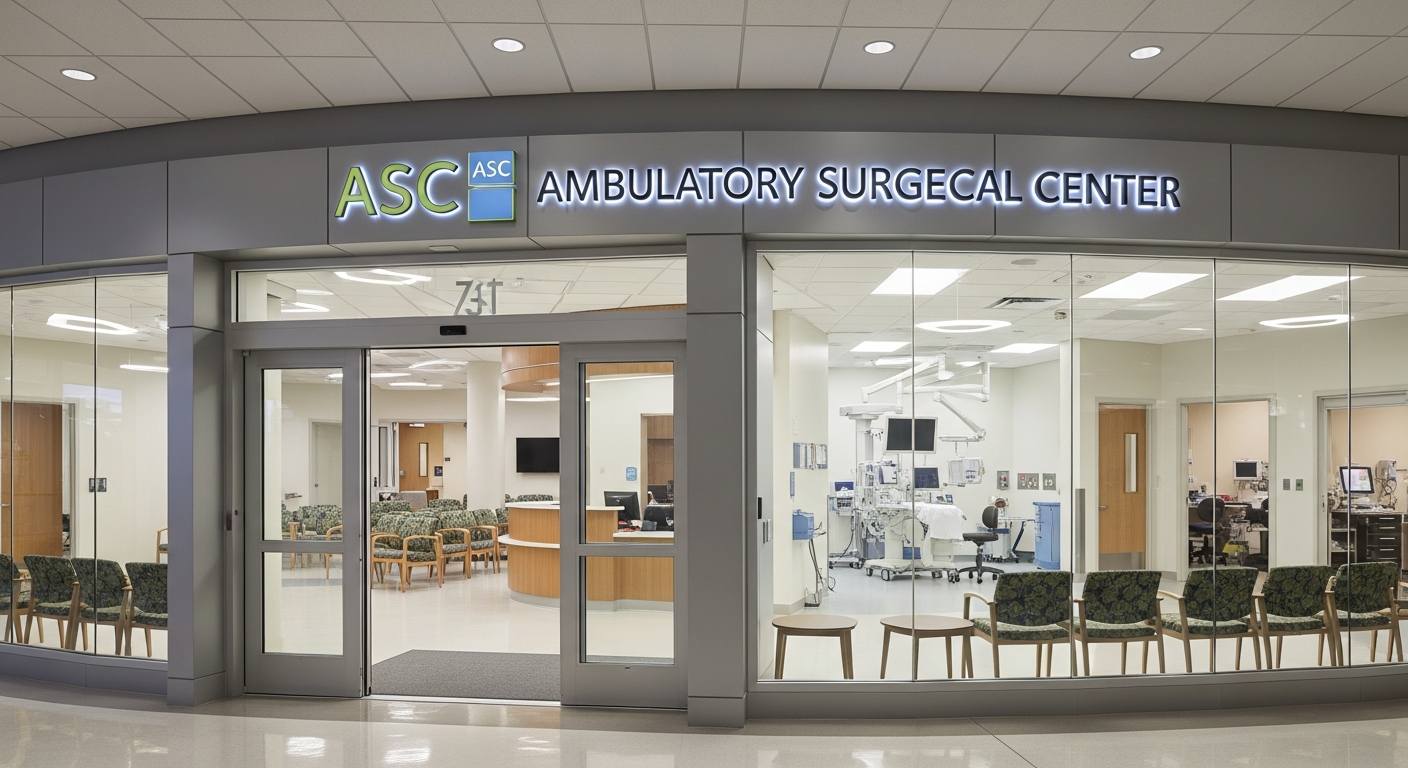
An ASC, or Ambulatory Surgery Center, is a type of outpatient healthcare facility where patients receive surgical or diagnostic procedures and go home the same day. In other words, an ASC is a modern, freestanding surgical center (often called an outpatient or same-day surgery center) designed for surgeries that don’t require an overnight hospital stay. Think of an ASC as a mini-hospital focused only on elective surgeries and related procedures. By specializing in same-day care, ASCs offer a convenient and often lower-cost alternative to a traditional hospital setting.
Many common procedures can be done at ASCs – for example, cataract removals, colonoscopies, minor orthopedic surgeries, endoscopies and pain-management injections. Patients arrive for surgery, recover in a comfortable recovery area, and go home on the same day. In short, an ASC delivers safe, high-quality surgical care without the need for a hospital admission. This means you don’t have to spend a night in a hospital bed – instead, you recover in your own home, often more quickly and comfortably.
Key Features of Ambulatory Surgery Centers
-
Same-day surgeries. ASCs are built for procedures that finish quickly enough to let patients leave the same day. You check in, have your surgery or procedure, and by evening you’re back in the comfort of home.
-
Freestanding, outpatient facilities. Unlike hospital surgery wings, ASCs stand alone or attach to clinics. They specialize in surgeries and related care outside the hospital setting. They often focus on specific fields (for example, eye surgery, orthopedics, or gastroenterology) to deliver expert care in that niche.
-
Regulated for safety. ASCs must meet strict federal and state regulations (for instance, CMS rules if Medicare-certified) to keep care safe and high-quality. Agencies inspect ASCs regularly to protect patients. As one medical glossary puts it, ASCs provide “exceptional care” under tight oversight.
-
Advanced, specialized environment. These centers have sterile operating rooms with modern surgical technology. By focusing only on the procedures they perform, ASCs can keep their equipment and staff specialized and up-to-date. This focused environment often means more efficient scheduling and shorter wait times for patients.
-
Cost-effective care. ASCs usually have lower overhead costs than hospitals, so many surgeries are significantly cheaper when done at an ASC. For example, one surgery center network reports that patients pay about 45% less for the same procedure at an ASC than if done in a hospital. These savings apply to patient copays and insurance costs.
Common Procedures at ASCs
ASCs handle a wide variety of routine surgeries and exams. Some of the most common procedures include:
-
Eye surgeries. Cataract removal (very common) and other minor eye procedures are frequently done at ASCs.
-
Gastrointestinal endoscopies. Exams like colonoscopies and upper endoscopies (EGDs) are often performed in ASCs. In fact, GI diagnostic procedures make up several of the top ASC procedures by volume.
-
Orthopedic procedures. Many joint and bone surgeries – for example knee or shoulder arthroscopies, minor fracture repairs, and even some total joint replacements – are done in ASCs. For instance, knee arthroplasty and hip arthroplasty rank high in ASC procedural charges, according to a Medicare database.
-
Pain management and injections. Common pain-related procedures (like epidural steroid injections or joint injections) are also frequently done at ASCs. These procedures are usually quick, so patients can be treated and sent home promptly.
-
Minor urological and plastic surgeries. Procedures like prostate exams, cystoscopies, or simple skin and cosmetic surgeries are also suitable for ASC settings.
ASCs typically do not handle emergency or very complex surgeries. They excel at planned (elective) procedures where the patient is healthy enough to recover at home. If an overnight stay becomes necessary, arrangements are made (often by transferring to a hospital), but this is rare.
Benefits of Choosing an ASC
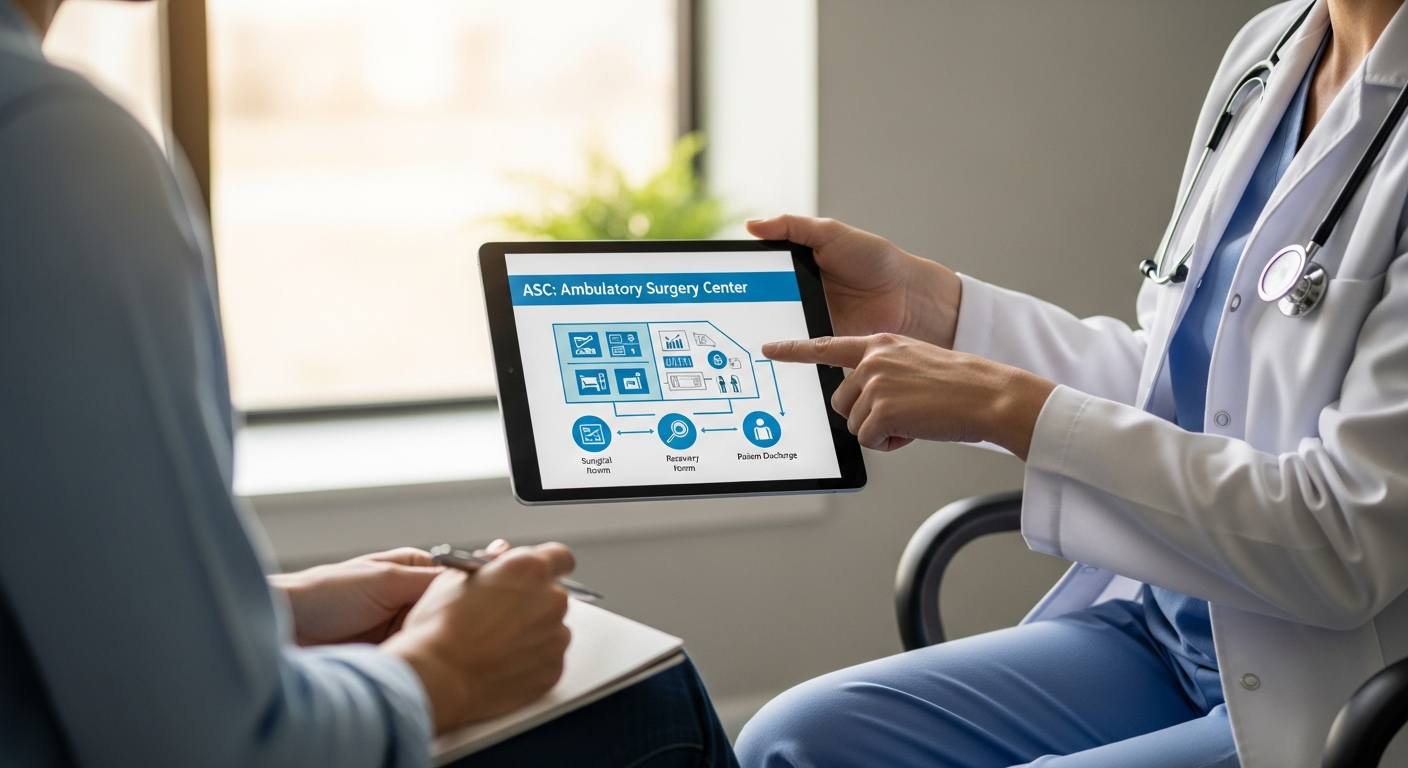
Using an ASC for surgery offers many advantages to patients and doctors alike. The biggest benefits include:
-
Lower cost. Because ASCs operate on a leaner scale than hospitals, they generally charge much less for the same procedure. In one example, patients saved about 45% in costs by using an ASC instead of a hospital. These savings come from lower facility fees and overhead.
-
Convenience and efficiency. Scheduling at an ASC is often easier. ASCs focus on outpatient surgeries alone, so they typically offer flexible scheduling and shorter waiting times. You arrive, have your procedure, and can often leave within a few hours. This streamlined approach reduces idle time for both patients and surgeons.
-
Comfortable recovery. Since ASCs discharge patients the same day, you recover at home rather than in a hospital bed. Many patients find they heal faster and feel more comfortable recovering in familiar surroundings. Recovering at home also reduces the risk of hospital-acquired infections – one ASC resource notes that avoiding hospital stays can reduce infection risk and promote quicker healing.
-
High-quality, specialized care. ASCs often report very high patient satisfaction. They tend to have dedicated, well-trained teams for each specialty. Many ASCs are physician-owned, which means doctors can personally design the care environment and protocols for better outcomes. ASCs follow strict quality metrics (often endorsed by national standards) to ensure top-notch care. In fact, the ASC community points out that they have a “strong track record of quality care and positive patient outcomes” as a result of this focus.
-
Regulated safety. All ASCs must meet rigorous regulatory standards. For example, to accept Medicare, an ASC must comply with CMS’s conditions for coverage. States also inspect and license ASCs. These rules cover everything from staffing to equipment to emergency plans. The goal is the same as in a hospital: keep patients safe and healthy. As one industry definition notes, ASCs are “highly regulated” to ensure care is always safe and effective.
Why ASCs Matter in Healthcare
Over the past decades, ASCs have become an important part of modern healthcare. Technological advances and evolving medical guidelines have allowed more surgeries to move to outpatient settings. Studies show that as hospitals focus on the most critical, complex cases, ASCs handle routine procedures more efficiently. For many common surgeries, ASCs can be the “superior choice”: they deliver safe, effective care at a fraction of the cost.
According to healthcare analysts, more surgeries shifting to ASCs can save patients and insurers significant money and free up hospitals for urgent care. Patients benefit by spending less time in a medical setting and avoiding expensive hospital fees. For example, outpatient procedures at ASCs often incur much lower charges than the same procedures in a hospital outpatient department.
It’s worth noting that ASCs are well-established: the first ASC opened in 1970, and now there are thousands nationwide. Over 6,200 ASCs are Medicare-certified in the U.S., serving millions of patients each year. This growth reflects trust in ASCs. Organizations like the Ambulatory Surgery Center Association (ASCA) emphasize that ASCs offer patients a “more convenient alternative” to hospitals without sacrificing care quality. In short, ASCs are here to stay as a safe, efficient choice for many surgical and diagnostic needs.
Conclusion
In healthcare, an ASC means an Ambulatory Surgery Center – a facility built for safe, same-day surgeries outside a hospital. It lets patients have surgeries (from cataracts to joint procedures and more) without an overnight stay. By combining advanced tech, specialized staff, and strict oversight, ASCs deliver high-quality surgical care more conveniently and often at lower cost than traditional hospitals. When your doctor mentions an ASC, you can know it’s a trusted outpatient center designed to make your surgical care smoother and more efficient.